
• THERESA MAE DULMAN

Growing up on an island untouched by electricity, residents embrace the quiet rhythm of a simple life.
For decades, nights for at least 150 households in the off-grid island of Matabas, just off the coast of Barangay Molocaboc in Sagay City, Negros Occidental, have been defined by darkness as this geographically isolated and disadvantaged area was excluded from the long-term electrification plans of the Northern Negros Electric Cooperative.
Youth ignites change
Their ordeal of long nights was finally cut short as a flicker of light emerged, ignited by the spark of a youth-led initiative. Over the past few months, the Negrosanon Initiative for Climate and the Environment (NICE) has been delivering a brighter and safer future into the island through a 25-kilowatt solar power facility.
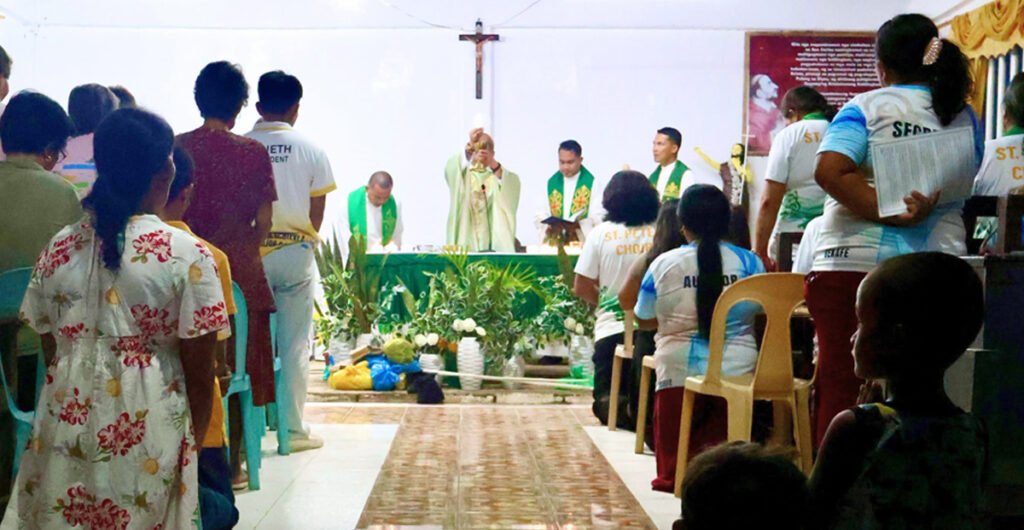
The culmination of their efforts came to life June 8, coinciding with World Ocean Day, as residents formally celebrated the commissioning of the REPower Matabas Project.
“REPower Matabas is more than an electrification initiative. It is envisioned as a model for sustainable island development that places communities at the center of the energy transition,” NICE said.
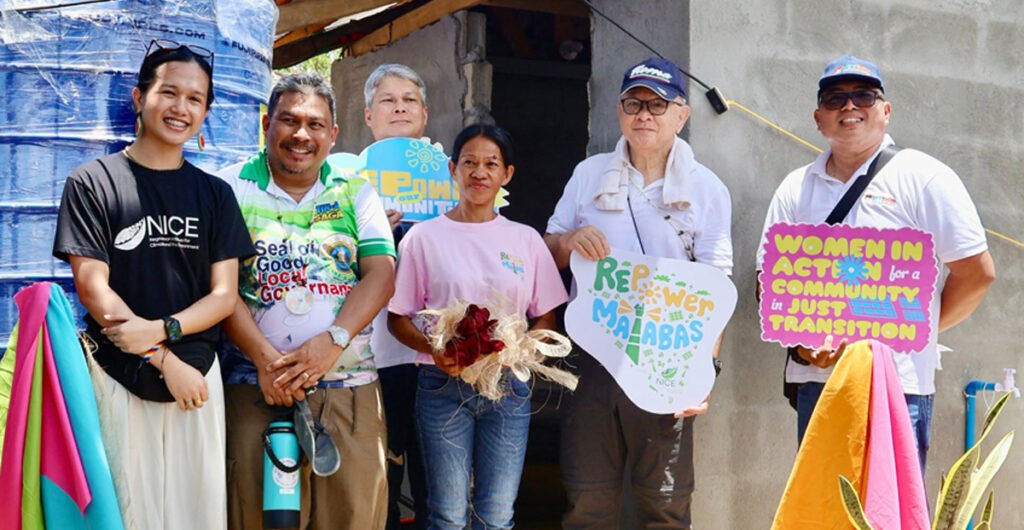


Through renewable energy, the project aims to support safer water access, improve public service, strengthen disaster resilience, and create better opportunities for coastal communities, it added.
Bridging the gap between global environmental advocacy and local grassroots passion is the Honnold Foundation of Alex Honnold.
Their partnership with NICE did more than just fund infrastructure, they supported a youth-led dream, proving that clean energy can reach even the most remote corners of the world.
The project introduces a decentralized system that changes everything for the island. NICE secretary general Joshua Villalobos said the heart of the project is a solar-powered water desalination facility, finally giving families access to safe, clean drinking water.
The initiative also powers community charging stations, illuminates 70 streetlights, and brings modern solar-powered lighting to the local chapel and educational facilities.
“This is part of the province’s broader renewable energy transition program. We hope Matabas can become a model for community-based renewable energy projects that can be replicated in other remote areas,” former Negros Occidental governor Rafael Coscolluela, now the provincial consultant for environment and energy, said.
Women fuelling light
The REPower Matabas project became a reality because the women of the island stepped up to help lead the way.
Stepping beyond the shores of their isolated home, the leaders of the Matabas Active Women’s Association immersed themselves in the Renewable Energy Week Expo last May in Bacolod City.
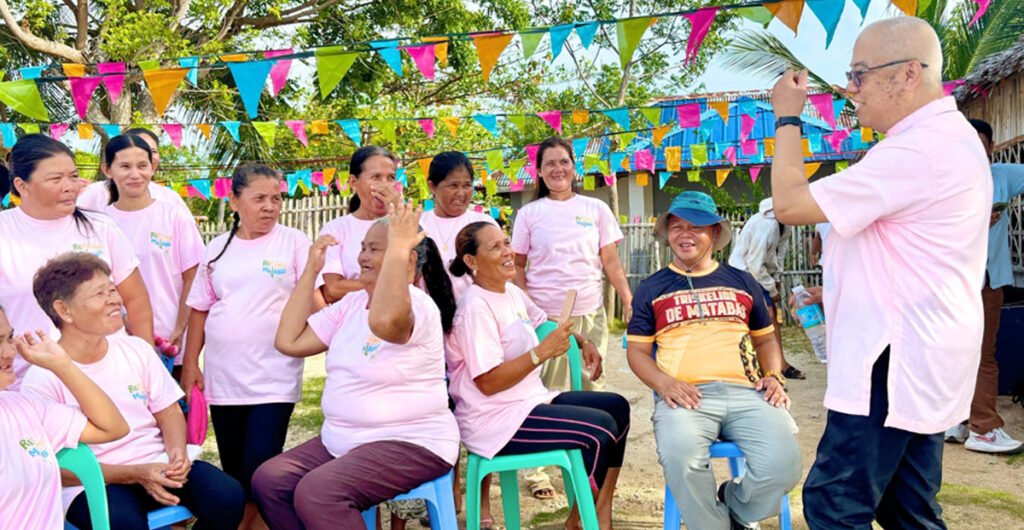
There, among innovators and advocates, they became students of a changing world, learning community-driven energy solutions to bring back to their island.
“What I learned from attending the Renewable Energy Expo is how to use the solar panels and how we can maintain them,” Merly Cabucos said.
Mapping the future
The triumph in Matabas Island comes as a turning point for the province. Backed by the SecuRE Negros roadmap, Negros Occidental is firmly cementing its status as a premier renewable energy hub in the country.
The Department of Energy (DOE) has highlighted the province as a leader in clean energy transition, boasting a potential of 14,277.7 megawatts of renewable power.
During the Renewable Expo 2026, Ruby de Guzman, assistant director of the DOE’s Renewable Energy Management Bureau, said the province holds an estimated renewable potential of more than 12,396 megawatts for wind, 1,787 megawatts for solar, and 94.7 megawatts of hydropower.
“More importantly, renewable energy already accounts for 99.2 percent of the Negros Island sub-grid that is equivalent to more than 269,000 megawatt-hours of clean energy produce,” she stressed.
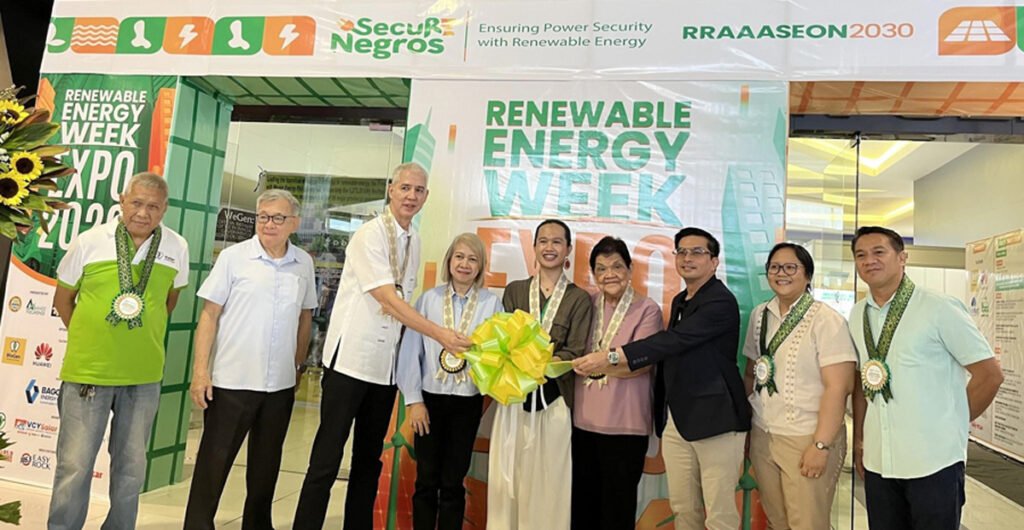
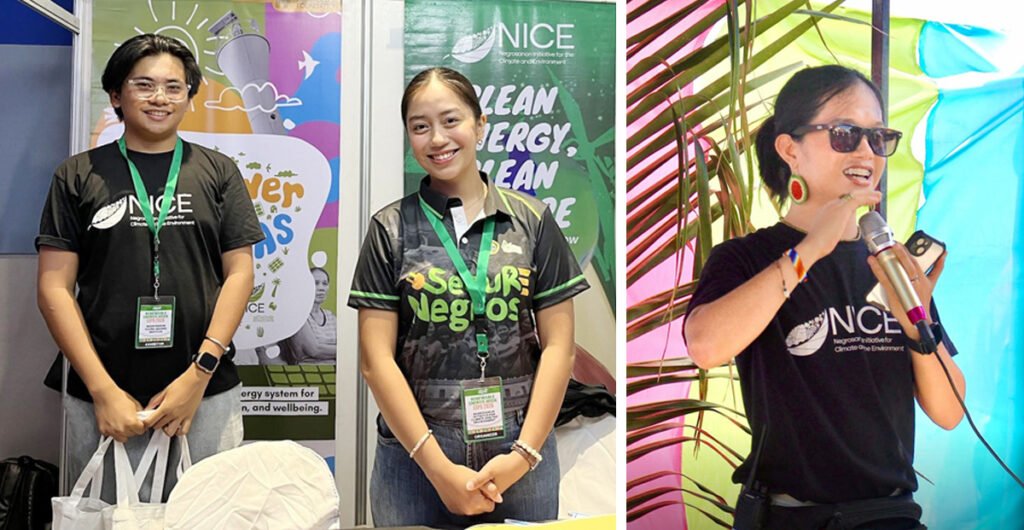
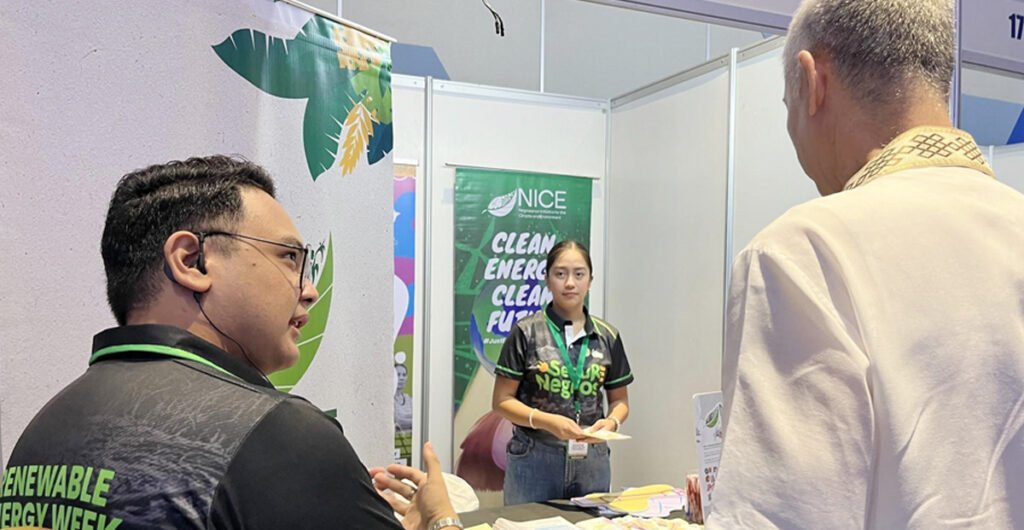
These are not just numbers, they represent jobs for communities, investment for local economies, stronger energy security, and a cleaner future for the next generation. Negros Occidental is proving that economic growth and environmental stewardship can move forward together, she added.
“This is why the Department of Energy is strongly commending the establishment of the Provincial Energy Development Council, a decisive step toward faster coordination, and stronger investor confidence. It reflects proactive leadership and a clear commitment to making Negros Occidental a living hub for renewable energy development in the country,” de Guzman said.
Where darkness once ruled, a sustainable future now shines. Matabas Island stands as proof that it only takes a little flame to start a fire of clean energy transition across the country.
The initiative breathes new life into the timeless truth of Jose Rizal’s famous line – “the youth is the hope of the motherland” – proving that the voice and vision of the young generation are essential forces for a sustainable future. When a community works together, everything is possible. | NWI