
Agriculture Secretary Francisco Tiu Laurel Jr. said the planned increase in pork import allocations remains both relevant and necessary as the country braces for renewed African Swine Fever (ASF) risks, and the mounting inflationary pressures due to the Middle East crisis.
The clarification came after AGAP Party-list Rep. Nicanor Briones suggested during a congressional hearing that the measure was no longer timely and had been issued without the agriculture chief’s knowledge.
Tiu Laurel disputed the claim, stressing that the proposal was requested last year when pork prices were surging and domestic supply remained constrained by ASF-related losses.
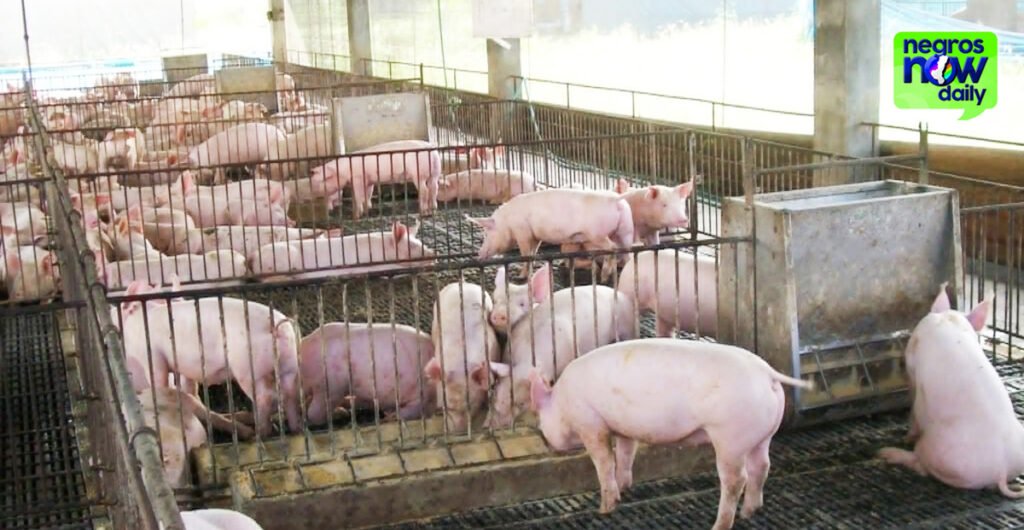
“Executive Order (EO) 116 was crafted to help stabilize pork prices and ensure consumers have access to more affordable food,” Tiu Laurel said in a recent statement. “While the proposal was initiated last year, the conditions that justified it remain—and may even be more pronounced today.”
He noted that rising global oil prices are adding to inflationary pressures, while the onset of the southwest monsoon season raises the risk of fresh ASF outbreaks, which could further disrupt hog production and tighten pork supply.
“Historically, ASF infections tend to increase during the rainy season. If supply is affected again, pork prices could climb as it did in before. This measure provides an added layer of protection for consumers and serves as a precautionary food security measure,” Tiu Laurel said.
The agriculture chief stressed that EO 116 is not yet in force, as implementing rules and regulations (IRR) still need to be drafted and approved. President Ferdinand Marcos Jr. has tasked the Department of Agriculture with preparing the guidelines.
“EO 116 is not self-executing. The IRR will ensure that the interests of consumers, hog raisers, importers, and other stakeholders are properly balanced,” Tiu Laurel said.
The executive order seeks to increase the minimum access volume (MVA) for pork, a move the government believes could help cushion the market from potential supply shocks, temper pork prices, and contain inflation should ASF cases rise anew during the rainy months, and if the fuel crisis is prolonged or the situation worsens again.
As added safeguard, the additional 30,000 metric tons will go to meat processors to keep prices of processed pork products from increasing, and the balance of 120,000 metric tons will go to either the Food Terminal Inc. or the Kadiwa ng Pangulo program to ensure that government has enough stocks to stabilize pork prices. ||