
• A.V. DEL CARMEN
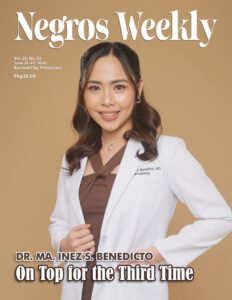
A rare feat – topnother in three board exams she took.
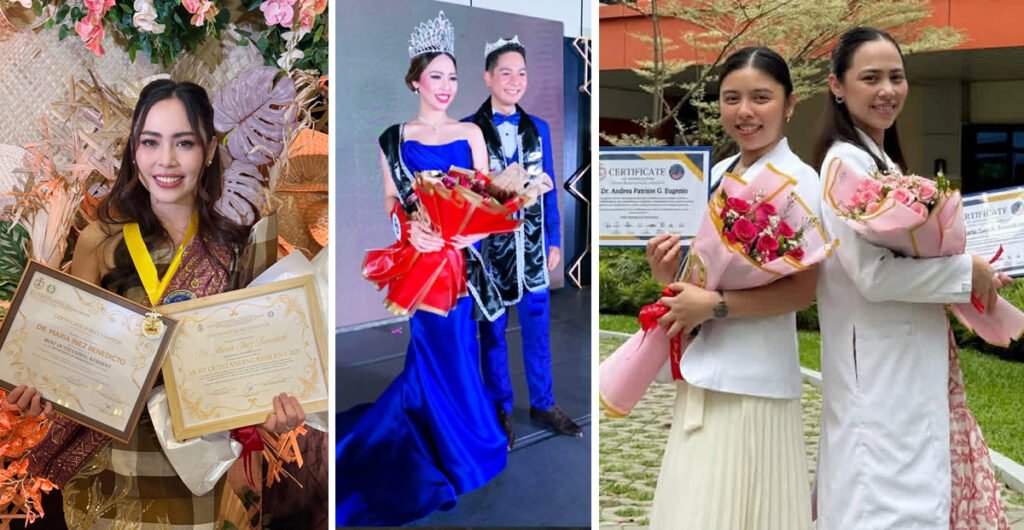
In 2021, Ma. Inez S. Benedicto, a native of La Carlota City, placed No. 1 in the Physician Licensure Exam after graduating from the West VIsayas State University College of Medicine.
Six years earlier, she placed seventh in the board exam for medical technologists following her completion of BSMT studies at the University of Negros Occidental-Recoletos
This month, she ranked third in the Diplomate Examination of the Philippine Dermatological Society.
“Honestly,” she told NEGROS WEEKLY, “I hope to do well, but I did not want to expect too much.”
Inez is the daughter of entrepreneur Richard Benedicto and wife, the former Marisol Sellado. She has an older sibling, Baste.
She was valedictorian when she completed her elementary education at La Consolacion College and also in high school at Pax Catholic Academy in her home city.
She graduated magna cum laude at UNO-R and was class valedictorian at WVSU medical school.
Dr. Benedicto had her Dermatology Training Residency from 2023 to 2025 at Southern Philippines Medical Center in Davao City where she was named overall most outstanding resident and also recipient of the top award for residents of the Dermatology Department.
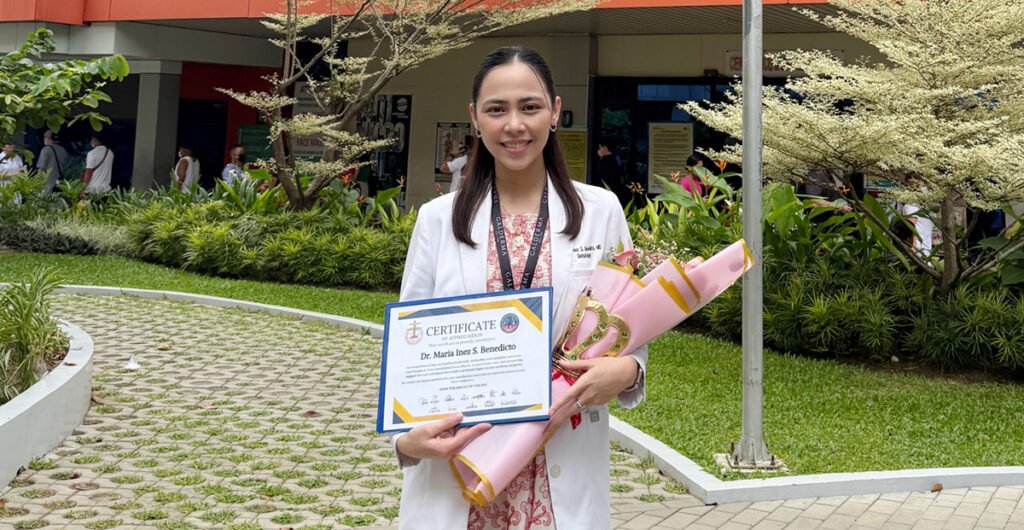
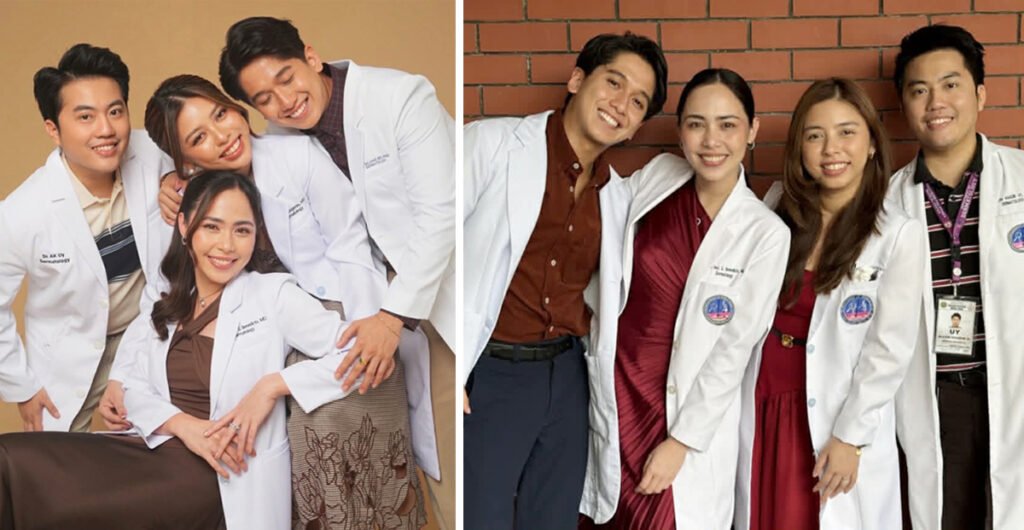
The topnotch doctor is also a multi-titled beauty pageant winner. She was chosen Miss Southern Philippines Medical Center in 2023.
In 2013, as representative of La Carlota City in Lin-ay sang Negros, she was named Lin-ay sang Organic-Negros South. Earlier, she was crowned Miss UNO-R and was first runner-up in Miss NOPSCEA 2011 as representative of the Recoletos University.
Dr. Benedicto is currently affiliated with Southeast Dermatology Specialists, which has branches in Davao and Iloilo.
NEGROS WEEKLY conducted last week a Q&A interview with Dr. Benedicto right after the release of the results of the Diplomate Examination.
Please summarize what a diplomate exam is all about.
The Diplomate Examination of the Philippine Dermatological Society is the board certification examination for doctors who have completed three years of formal residency training in dermatology in PDS-accredited training hospitals.
In simple terms, it is the final qualifying examination that assesses whether a dermatologist has the knowledge, clinical judgment, and competence needed to be recognized as a board-certified dermatologist by the Philippine Dermatological Society.
It tests not only memorization, but also the ability to diagnose skin diseases, interpret clinical and biopsy findings, and decide on proper treatment for patients.
When and where was the exam? How many took it?
The written examination, clinical slides, and dermatopathology examination were held on June 7 while the oral examination was held on June 14 – both at the University of Santo Tomas in Manila. Around 80 examinees took the examination.
In the Philippines, there are only 17 Philippine Dermatological Society-accredited dermatology training institutions, making entry into dermatology residency highly competitive.
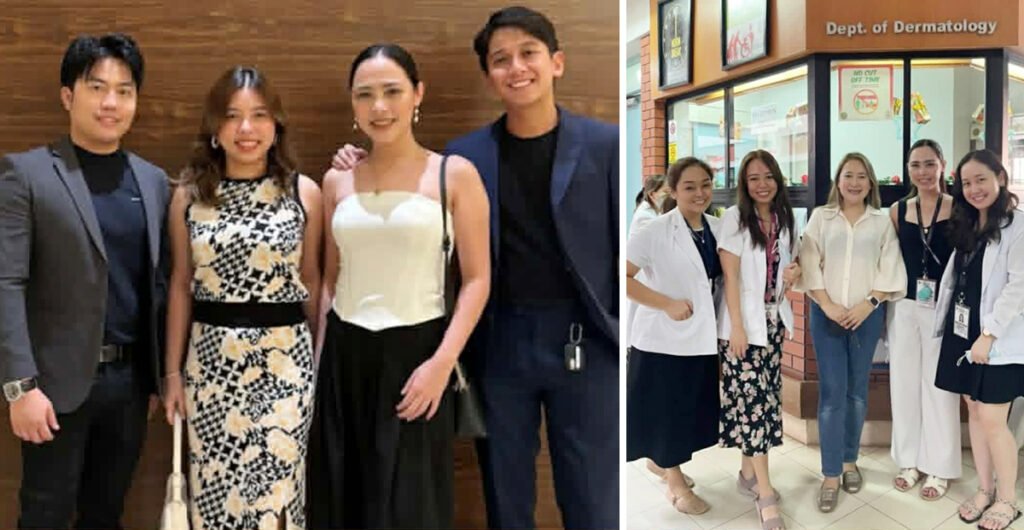
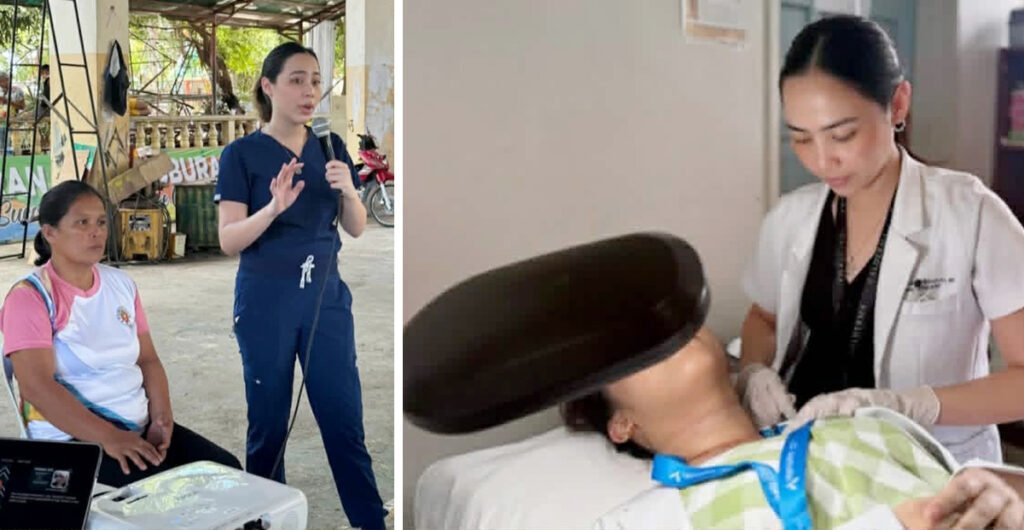
I trained at Southern Philippines Medical Center, which is the only dermatology training institution serving the whole of Visayas and Mindanao.
Only doctors who have completed three years of dermatology residency training in a PDS-accredited institution are eligible to take the examination.
Before being allowed to take it, examinees must also complete several training requirements, including research work and publication requirements.
What was the coverage of the exam?
The examination had two main parts: a written examination and an oral examination.
The written examination included multiple-choice questions, clinical slide identification and interpretation, and dermatopathology, which is the study of skin diseases under the microscope.
The oral examination involved clinical case discussions, where examinees had to analyze patient cases, give diagnoses, discuss possible differentials, and explain management plans.
The exam covered general dermatology, clinical diagnosis, skin pathology, treatment, ethics, and updated knowledge from dermatology references and journals.
It really tested whether the examinee could recognize and manage a wide range of skin, hair, nail, and mucosal diseases safely and correctly.
How did you prepare for it, considering that you are busy with your work schedule?
Preparing for the diplomate exam required a lot of discipline, but also balance. I had just graduated from dermatology residency and was beginning to establish my practice, so I had to adjust to a new schedule while still making time to study.
I started preparing more seriously around March, but the most intense period was in May, during the final stretch before the exam. I took a study leave from work and studied with my batchmates in Manila.
My review focused on going back to the foundations of dermatology—reading Fitzpatrick’s Dermatology, which we often call our “bible,” reviewing clinical cases, studying dermatopathology, and practicing board-style questions.
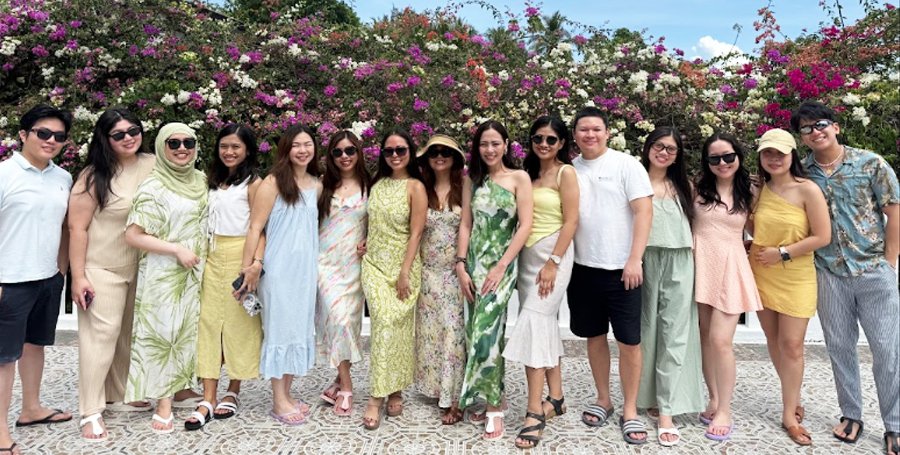

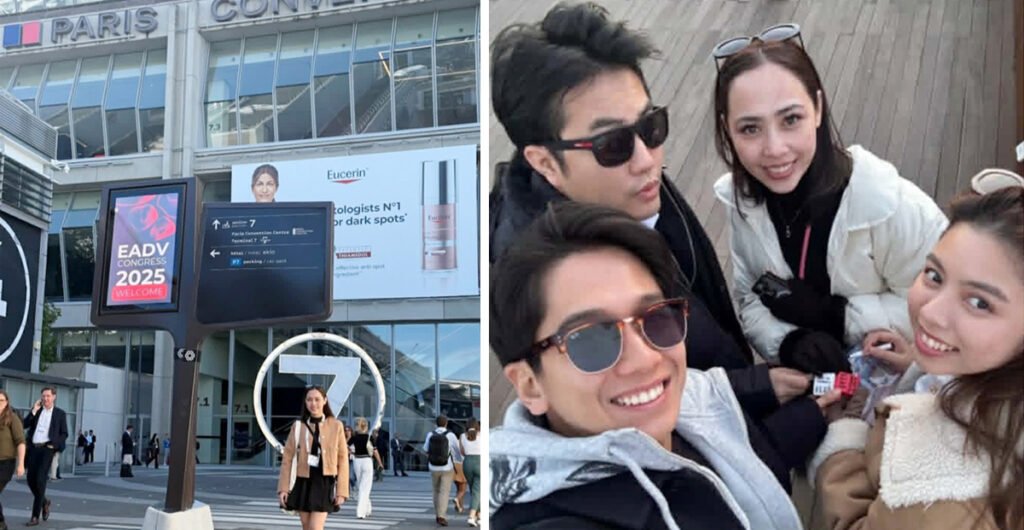
At the same time, I also made sure to rest and recharge. After residency, I allowed myself to spend time with family and friends and travel to places like Thailand and Korea. I think that helped me avoid burnout and return to studying with a clearer mind.
I also tried to stay physically active through Pilates, running, and even trying other forms of movement like tennis.
For me, preparing for the exam was not just about studying nonstop. It was about being consistent, knowing what to prioritize, and keeping myself physically and mentally well enough to perform during the exam.
Did you expect to be among the top examinees?
Honestly, I hoped to do well, but I did not want to expect too much. The exam was very difficult, and everyone who took it had also trained hard and sacrificed a lot.
Given my previous board exam results—being among the top examinees in the 2015 Medical Technology Licensure Examination and placing Top 1 in the September 2021 Physician Licensure Examination—I knew that some people probably expected me to do well again. That added a certain kind of pressure, but I tried not to let it get to me. I reminded myself that every exam is different, and nothing is ever guaranteed.
My main goal was still to pass, give my best performance, and stay focused on the work I had to do. I continued studying, preparing, and showing up every day despite the pressure.
Being among the top examinees was truly an answered prayer and a very humbling surprise.
I am deeply grateful because it affirmed all the years of hard work, training, and support from my mentors, family, colleagues, and patients.
Overall, what is your formula—that you landed in the top ranks of all professional exams you took?
I think my “formula” is consistency, discipline, faith, and a strong sense of purpose.
I have always believed that big achievements are built through small, repeated efforts done every day. I try to prepare early, study seriously, and understand concepts rather than simply memorize them.
I also ask for guidance from mentors, learn from mistakes, and surround myself with people who encourage me to keep going.
More than anything, I remind myself why I am doing this. These exams are not just about titles or rankings. They are about becoming a better doctor and being worthy of the trust that patients give us.
So if I had to summarize it, my formula would be: prepare well, stay humble, pray hard, and keep showing up even when it gets difficult.
What is your career plan in the next five to ten years?
In the next five to ten years, I see myself building my dermatology practice, especially in Iloilo, where I plan to practice mainly. I am currently affiliated with Southeast Dermatology Specialists, which has branches in Davao and Iloilo, and I am grateful to be starting this new chapter with them.
For now, my priority is to establish myself as a practicing dermatologist, continue learning, and serve patients well.
I am also open to pursuing fellowship training in the future, although I have not finalized any specific plans yet.
At this point, I want to focus on growing in practice and enjoying the fruits of the years of hard work and training. | NWI