
The Department of Trade and Industry in Negros Oriental assured the public March 3 that despite the Mount Kanlaon unrest and ongoing global economic uncertainties due to tensions in the Middle East, the supply of basic goods in the province remains stable, as of now.
“The monitoring of basic and prime commodities under DTI’s jurisdiction has been intensified to ensure price stability and sufficient availability of essential commodities,” the DTI stressed in an advisory.
It also urged consumers to buy responsibly and avoid hoarding. “There is no need for panic buying. Your DTI Negros Oriental stands committed to safeguarding consumer rights and ensuring fair trade for all.”
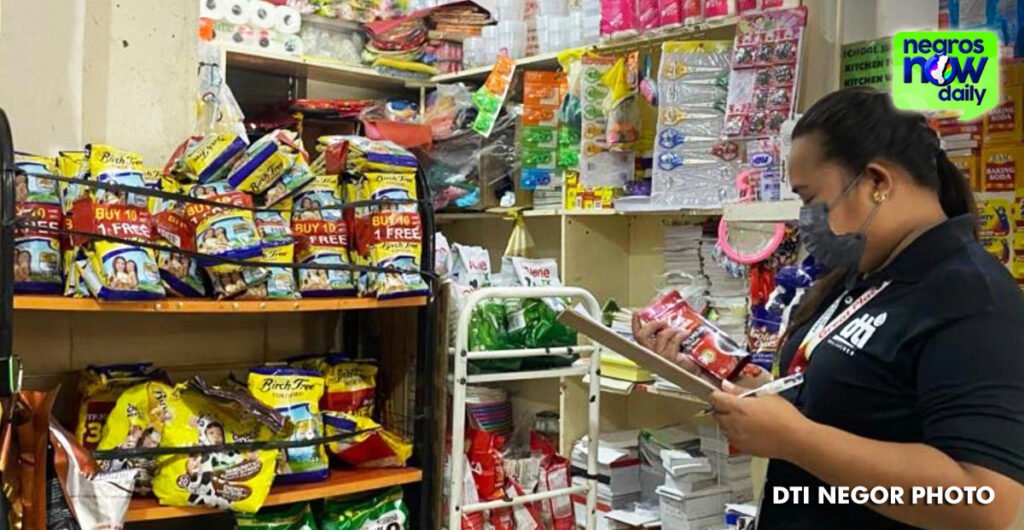
It said it is coordinating with major retailers in the province to ensure that prices of basic necessities and prime commodities would not spike due to the conflict in the Middle East.
Krystle Jade Bato, DTI-Negros Oriental spokesperson, said in a Philippine News Agency report that, so far, major retailers, such as Prince Warehouse and Lee Super Plaza, have assured them that there has been no price movement in essential goods.
Bato said that DTI provincial chief Juliet Banogon has ordered them to collect data from larger businesses in anticipation of a price hike in the coming weeks.
“We agree that if fuel prices go up, the prices of basic necessities and prime commodities will likely follow, although this will not happen overnight,” she added.
The usual stock inventory of an establishment selling these items lasts one month, while others last only up to two weeks.
Bato cautioned the people against stockpiling essential goods at this time, as there is enough to cater to everyone’s needs.
The DTI can also issue a directive against hoarding, such as mandating that retailers sell items in limited quantities to each customer, once the agency receives reports of unnecessary bulk purchases.
Meanwhile, Bato said the DTI does not have jurisdiction over the prices of meat, fish, and vegetables.
She said the Department of Agriculture or its local counterparts in the cities and municipalities are mandated to monitor the prices of these food items.
Bato reiterated the need for price coordinating councils at the provincial and local levels to proactively monitor the movement of essential goods, particularly during emergencies and critical times. ||