
The Department of Agriculture (DA) is set to provide five solar-powered irrigation systems to farmers of Negros Oriental to ensure a steady water supply for crops, despite a strong El Niño expected to last into 2027.
Provincial agriculturist Emmanuel Caduyac said the systems, provided by the DA’s Bureau of Soils and Water Management, use solar panels and electric pumps to access water from shallow wells, springs, and rivers.
They can also help farmers save on fuel costs and maintain stable rice and other crop production, the Capitol said in a press release.
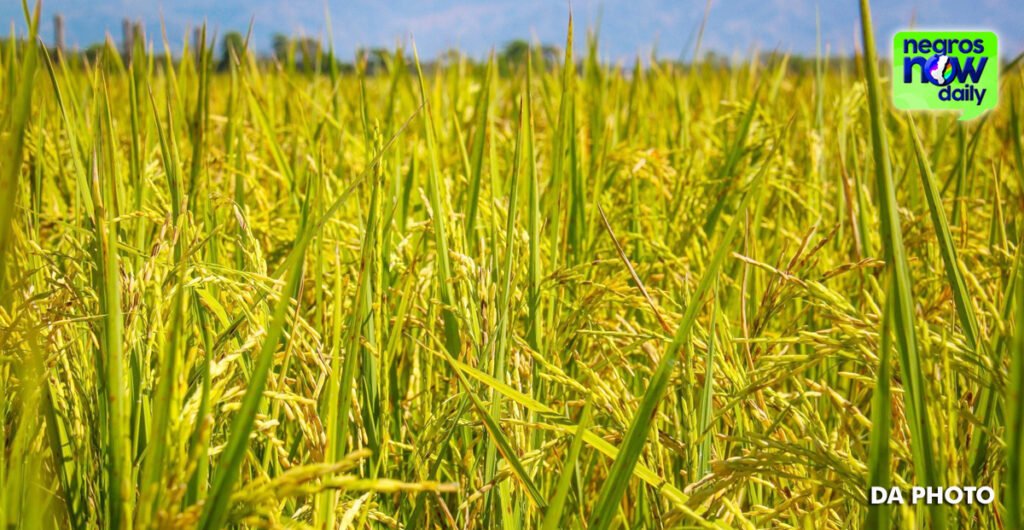
The provincial government has provided farmers with vegetable seeds suited for hot weather, along with early-maturing varieties of corn, rice, and root crops that can withstand long dry periods, Cayudac added.
Governor Manuel “Chaco” Sagarbarria, meanwhile, plans to form or reactivate the provincial El Niño task force, composed of national agencies, local government units, water districts, farmers’ groups, and other organizations.
They will work on providing measures to assist farmers during the height of the El Niño phenomenon and lessen its impact on agriculture, water supply, energy, the environment, and public health.
Philippine Atmospheric, Geophysical and Astronomical Services Administration Negros Oriental chief meteorologist Dan Caber said a strong to very strong El Niño is expected to persist through the first half of 2027, with heat and dry spells already affecting farms and water levels across the Negros Island Region.
The provincial government will conduct an information caravan across the province’s three districts to teach farmers’ groups and associations on how to reduce the effects of El Niño on agriculture, the Capitol said last week.
Agriculture Secretary Francisco Tiu Laurel Jr. had said the country is better equipped to manage prolonged dry spells, with advances in agricultural technology and more responsive interventions to help farmers cope with climate-related risks.
“We have more tools now to mitigate the impact,” he said in a statement, citing improved rice varieties, solar-powered irrigation systems, better weather monitoring, and more responsive crop calendars.
To prepare for the El Niño, the DA is strengthening interventions to improve water availability, promote climate-resilient rice varieties, enhance farm monitoring, and help farmers adjust planting schedules based on local weather and water conditions.
The government is also pursuing additional resources to support measures that will mitigate the potential effects of El Niño on agriculture, including interventions to help farmers manage production costs and sustain farm productivity. ||