
- GILBERT P. BAYORAN
Sugar producers and labor groups have raised alarm over the reported sale of Coca-Cola products believed to have been imported from China through online e-commerce platforms in the Philippines.
The Sugar Council, composed of the Confederation of Sugar Producers Associations, National Federation of Sugarcane Planters, and Panay Federation of Sugarcane Farmers, joined the National Congress of Unions in the Sugar Industry of the Philippines-Trade Union Congress of the Philippines (NACUSIP-TUCP) and Democratic Association of Labor Organizations (DALO) in calling for an immediate government investigation.
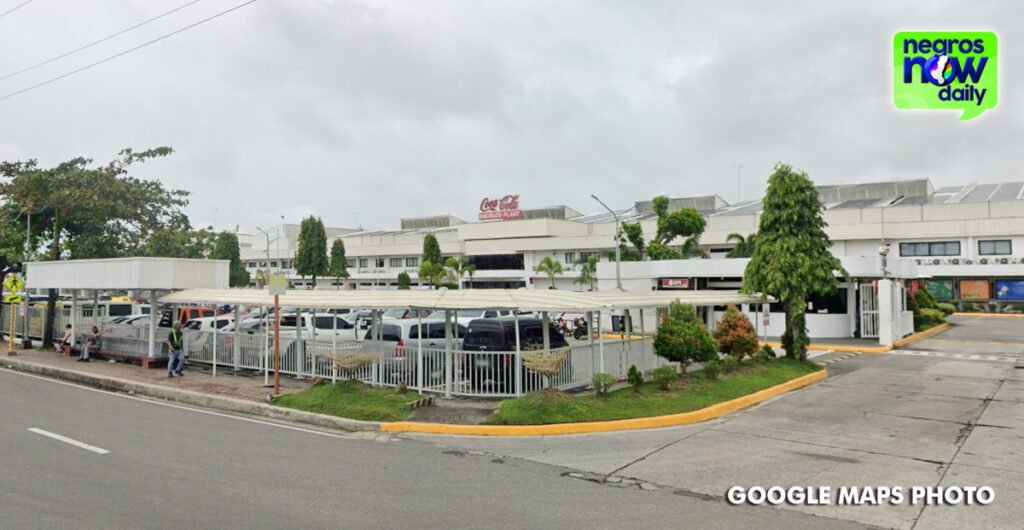
The groups said this was the first time they had encountered online sales of what appeared to be imported, consumer-ready Coca-Cola products, describing the development as a serious trade and economic concern.
They urged the Department of Agriculture (DA), Sugar Regulatory Administration (SRA), and other concerned agencies to determine what legal mechanisms are currently being used to monitor, intercept and regulate the entry of imported beverage products through digital platforms.
The groups also called on the government to identify which agency has primary jurisdiction over monitoring such online outlets and to establish the volume of imported Coca-Cola products that may have entered the country.
They want authorities to determine whether the products entered through regular commercial channels, tax-free economic zones or other means that may have circumvented applicable agricultural tariffs and trade safeguards.
The sugar and labor groups likewise sought the official position of Coca-Cola Europacific Aboitiz Philippines (CCEAP), the country’s Coca-Cola bottler, manufacturer and exclusive distributor, on the reported parallel imports.
They said unauthorized imports could undermine CCEAP’s domestic operations and local workforce while also reducing demand for locally produced sugar.
The groups warned that the issue comes at a difficult time for the domestic sugar industry, with planters already facing low millgate prices, rising production costs and widespread crop infestations.
They said further market dilution caused by imported beverage products could worsen the financial difficulties confronting sugarcane farmers and workers.
The Sugar Council also warned of broader rural consequences, saying depressed farm incomes could fall below production costs, intensify economic hardship and contribute to a labor shortage as younger Filipinos turn away from farming.
“By allowing unvetted products to bypass trade safeguards and displace local agriculture, our entire economic fabric is endangered — and ultimately, every Filipino loses,” the groups said.
The Sugar Council, NACUSIP-TUCP and DALO said they would work with the DA and SRA to determine the source and volume of the products and address possible regulatory gaps.
They also vowed to push for stronger regulatory measures to prevent what they described as “digital import leaks,” protect the country’s borders and safeguard the livelihoods of millions of Filipinos dependent on the domestic sugar industry. | GPB