
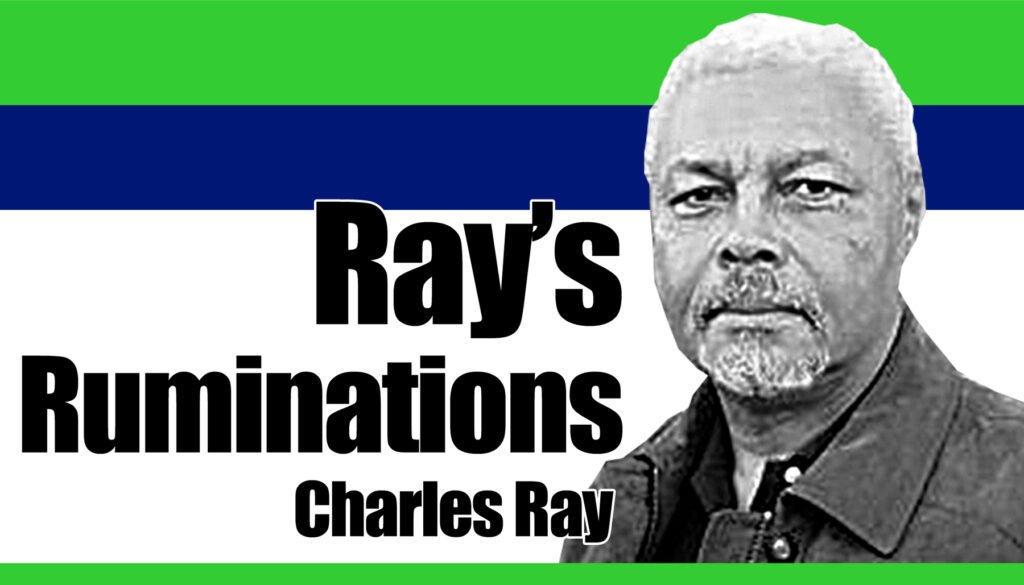
You might not have noticed, but in many places around the world these days, you see more men wearing beards, including yours truly. In the United States, beards were popular in the 18th and 19th centuries, but the clean-shaven look became popular in the 20th century—up until the 2010s, in fact.
A bit of personal history to explain my own facial hair: I grew one in 1985, when I worked in Shenyang, in Northeast China, and kept it for a year. I finally shaved it off when a friend of mine, an Iranian-American executive who worked in a US-Chinese joint venture factory in Shenyang, pointed out that I looked like a Middle Eastern terrorist. I remained clean-shaven until 2013, a year after returning from a three-year tour of duty with the US State Department in Zimbabwe, where I served as the US ambassador.
I began growing my beard while housebound after falling and fracturing my right femur, and have worn it ever since, despite several years of complaints from my long-suffering wife, who hates beards, but has finally learned to accept mine.
It was only after I was once again mobile and able to get out and about that I noticed I was one of many men sporting facial hair. I knew why I had gone to a beard (which I will explain momentarily), but I was curious about everyone else, so I did what I always do when I encounter an oddity: I did some research.
What I learned was that during the period of the 2010s, there had been a cultural shift, in the US for the most part, and beards, which in earlier centuries were a symbol of wisdom, had come to symbolize strength, maturity and individuality; that celebrities like Jason Momoa were the new male role models; online influencers were pushing beards; and during the Covid pandemic, for some reason, they’d become popular. I had, of course, grown my own beard in 2013, before Covid, and before I’d seen a Jason Momoa movie, but I had a completely different reason.
Before leaving the US for Zimbabwe, I did what I’d always done before an extended stay abroad; I’d stocked up on personal supplies, including blades for my razor. As usual, I had more than I needed, so the first year back in the US I was still using the supplies I had purchased in 2009. I fell and broke my femur on July 3, 2013, had an operation to put pins in the leg, and was housebound until January 2014, during which time, I exhausted my supply of razors.
By the time I was up and about, I had a lush beard, which my wife insisted I shave. When I went to the store, and saw the price of razor blades, I had palpitations. They were now almost double the price I’d paid in 2009—even more for some of the high-end blades. I rebelled. First, I bought a straight razor, but that was too much hassle, so I finally put my foot down. Now, she’s become resigned to it, I bought a cheap electric beard trimmer to keep it neat, and that’s the way it is.
I don’t think of my beard as a sign of maturity. I was already silver-haired before I grew it. Nor does it really symbolize any special strength. I walked around for six weeks with a broken right femur before it was diagnosed, and that was before I grew my beard. I’m also not a hipster, and I have never been one to emulate TV or movie personalities. No, I grew a beard because I’m a skinflint. I absolutely refused to pay the inflated prices they charge for razor blades. Even the so-called discount places charge an arm and part of a leg for their wares.
There you have it. My beard was not a fashion or cultural statement. It was just the reaction of a curmudgeonly old man to unbridled, greedy capitalism. | NWI