
Recognizing the impact of the red-striped soft scale insect (RSSI) infestation on the livelihood of workers and other stakeholders in the sugar industry, the Department of Labor and Employment-Negros Island Region held a consultation Sept. 21 to explore possible interventions for those affected.
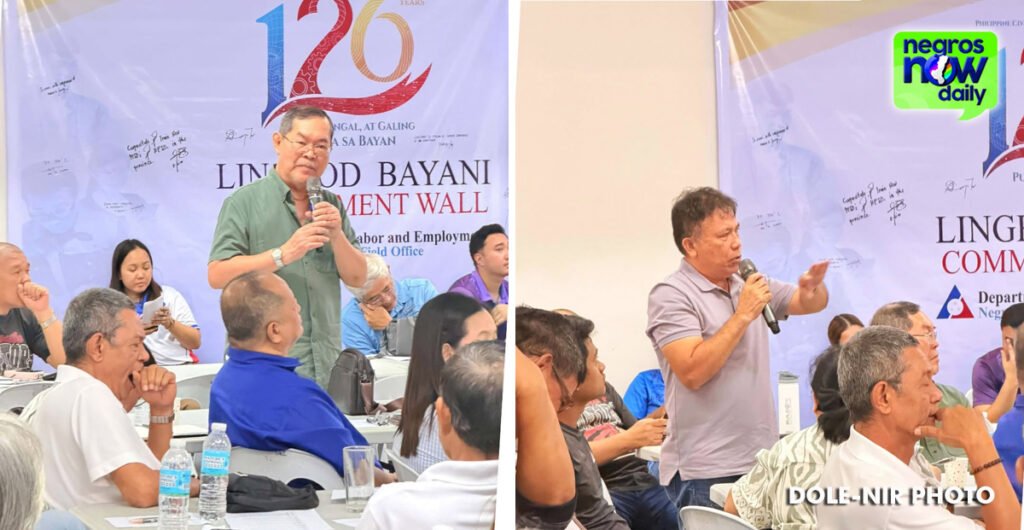
The consultation meeting in Bacolod brought together representatives from sugar mills, sugar associations, labor groups, the Sugar Regulatory Administration, and the Bureau of Workers with Special Concerns.
Known as the “Sugar Bowl of the Philippines”, Negros plays a vital role in the country’s sugar industry, providing livelihood and employment to thousands of farmers and workers.
The industry, however, is facing a significant challenge with the spread of RSSI, and the SRA reported that the infestation affected 119,923.16 hectares of sugarcane plantations, or 50.13 percent, across the region.
The infestation has also raised concerns not only over sugarcane production but its effects on the income and livelihood of workers, farmers, millers, and other stakeholders who depend on the sugar industry.
Recent reports have likewise identified Negros as the area most heavily affected by the RSSI infestation, underscoring the need for coordinated responses from government and industry stakeholders, the DOLE-NIR said in a press release Sept. 22.
The consultation provided a venue for stakeholders to share their concerns, experiences, and recommendations on how the economic effects of the infestation may be addressed or minimized, particularly among workers who may be affected by disruptions in the industry.
One of the major recommendations was the provision of socio-economic interventions for affected sugar industry workers.
Based on the inputs and recommendations gathered from the stakeholders, the DOLE-NIR will submit a proposal for possible socio-economic interventions from concerned DOLE bureau.
“This consultation allows us to listen directly to the concerns of the industry and, more importantly, understand how the situation is affecting workers. The recommendations gathered will help us explore appropriate interventions within the mandate and programs of the department,” Atty. Randolf Pensoy, DOLE-NIR director, said. ||