• GILBERT P. BAYORAN
Organizations of sugar farmers and agrarian reform beneficiaries (ARBs) allied with the National Congress of Unions in the Sugar Industry on the Philippines (NACUSIP) Agrarian Reform Beneficiaries Council issued a manifesto, raising their collective voices against what they called injustice, corruption, and utter neglect that have allegedly pushed the sugar industry to the edge of extinction.
In a press briefing on Wednesday (Jan. 21), they presented their demands to the government and outlined their expectations for the public consultation on the present state of the sugar industry set on Jan. 23 in Talisay City, Negros Occidental.
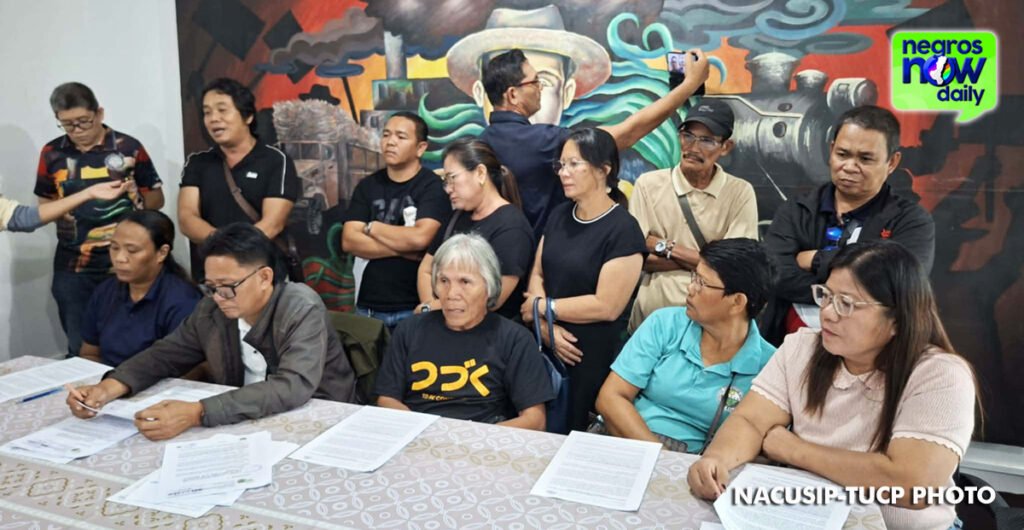
“Our livelihoods are being destroyed, our families driven to poverty, and the very backbone of sugar industry shattered — all due to the greed and incompetence of those entrusted to protect us,” they claimed.
The public consultation will be jointly presided by Senator Francis Pangilinan, chairperson of the Senate committee on agriculture, food, and agrarian Reform, and Quezon First District Rep. Mark Enverga, chairperson of the House committee on agriculture and food, as facilitated and hosted by Negros Occidental Third District Rep. Javier Miguel Benitez.
The activity aims to gather key stakeholders to discuss the pressing challenges faced by the sugar industry, particularly the sharp decline in millgate sugar prices, and to explore possible policy and sectoral responses.
The ARBs demanded full disclosure of Sugar Order No. 8; immediate removal of David Sanson, who represents farmers in the Sugar Board; and amendments to the SRA charter.
They also called on the government to urgently implement a sustainable sugar buying program that guarantees a fair and stable floor price, immediate release of emergency cash assistance to all ARB farmers in distress, and immediate and unconditional one-year moratorium on all penalties and interests for loans from the Land Bank of the Philippines for farmers and cooperatives.
In a manifesto, they also called on the lawmakers to stand with them, and investigate why imports have been prioritized over their hard-earned harvests. | GB