
• CHERYL G. CRUZ
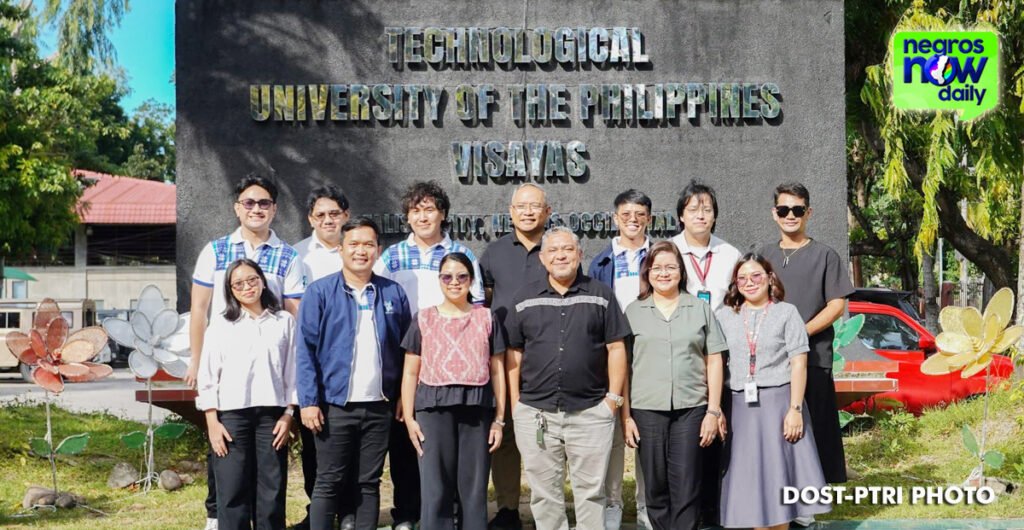
Two innovation hubs on natural textile fiber and yarn production will be launched by the Department of Science and Technology-Philippine Textile Research Institute (DOST-PTRI), in partnership with the Technological University of the Philippines-Visayas (TUP-V), in Talisay City, Negros Occidental next year.
Evangeline Flor Manalang, officer-in-charge of the Office of the Director, DOST-PTRI, said Nov. 19 that the Natural Textile Fiber Innovation Hub (NTFIH) will be launched in March, and the Regional Yarn Production Innovation Center (RYPIC) in June, both at the TUP-V Campus in Talisay.
Funds for the two hubs are sourced from the P60 million allocation of DOST-PTRI for NIR, with the memorandum of agreement signed Nov. 19 during the opening of the first Regional Science, Technology and Innovation Week (RSTW) at National University Bacolod.
“We really see the potential of textile innovation ecosystem here in the Negros Island. Nandito ang resources, nandito ang mga gagamit ng fibers, nandito din ang maghahabi,” Manalang stressed.
“We do not want that our fibers are coming out as a raw material only and then coming back here (and) us Filipinos consuming those materials. We want to capture the whole value of converting these raw materials into high-value products and then eventually give livelihood economic opportunities to our communities, and also the enterprises,” she added.
Cris Angelo Pagtalunan, science research specialist II of DOST-PTRI and focal for NIR projects, told Negros NOW Daily that the NTFIH “will advance research and develop local capacity to extract, treat, and prepare fibers from abaca, pineapple, and other locally-available resources,” with 10 to 40 kilograms of fiber expected to be processed each day.
The initiative, under the FRONTIER (Fostering the Revitalization of Nascent Textile Innovation Ecosystems) program also supports the establishment of the RYPIC-Negros Island at TUP Visayas by developing a local supply of fibers suitable for yarn production.
“Together, the facilities will help turn locally-available agricultural resources, including agricultural waste, into textile inputs and create new market opportunities for farmers and fiber producers,” Pagtalunan added. | CGC