
The Philippines has imposed a temporary ban on the import of live pigs, along with pork meat, pig skin and other related products from Taiwan, following confirmation of an African swine fever (ASF) outbreak.
The Department of Agriculture said Dec. 8 that the move is essential to protect the country’s multibillion-peso hog industry from the highly contagious disease.
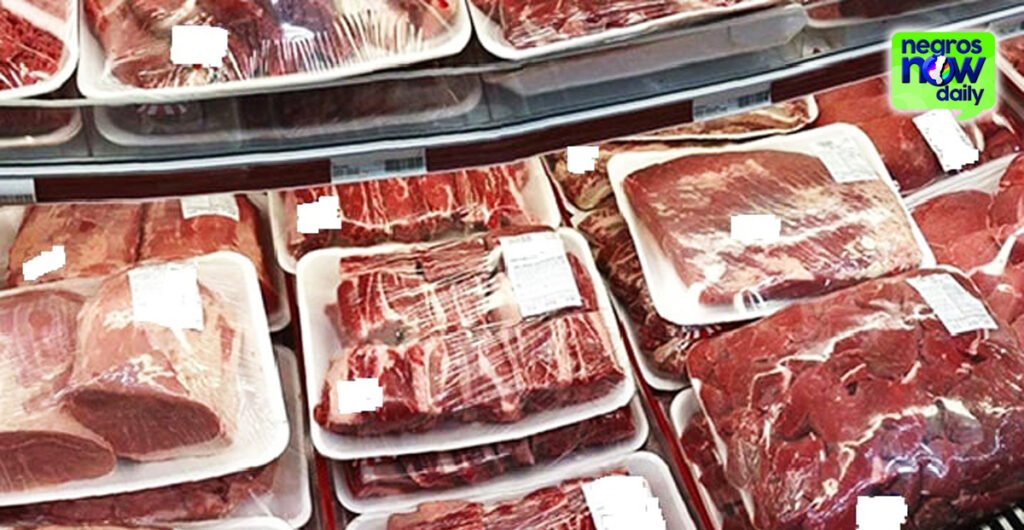
Agriculture Secretary Francisco Tiu Laurel Jr. ordered the immediate moratorium covering live pigs and all pork-derived commodities, including semen used for artificial insemination. The order takes effect immediately and will remain in force unless formally revoked.
“We have to be vigilant in preventing further ASF infections to protect jobs and investments in the swine industry and ensure food security and consumers’ health,” Tiu Laurel said in a statement, stressing the potential economic fallout should ASF breach local farms again.
Taiwanese veterinary officials alerted the World Organisation for Animal Health (WOAH) on Oct. 25 to an ASF outbreak affecting domesticated pigs in Taichung City. The infection was confirmed through testing by Taiwan’s Veterinary Research Institute. The Philippines’ response aligns with the WOAH Terrestrial Animal Health Code, which outlines measures for ASF control and prevention.
Under the DA order, all previously approved Sanitary and Phytosanitary Import Clearances for pigs and pork-related products from Taiwan are automatically revoked. Applications for new import clearances for the affected items are suspended until further notice. The DA also directed veterinary quarantine officers at all major ports to stop and confiscate any shipments containing restricted commodities.
The swift action reflects lessons learned from previous ASF waves, which caused massive losses for local hog raisers and pushed pork prices higher nationwide. While pockets of ASF remain under control in parts of the Philippines, agriculture officials say preventing the entry of new strains is vital to stabilizing the sector and restoring investor confidence.
Industry groups are expected to support the ban, viewing it as a necessary safeguard for producers and consumers alike. For now, authorities are tightening biosecurity and monitoring regional developments, determined to keep the country’s pork supply secure.
The DA also assured consumers of ample pork supply for the Christmas season even as it imposed a temporary ban on pig and pork imports from Spain following a confirmed outbreak of ASF in the European country.
Tiu Laurel said the import freeze, which covers live pigs, pork meat, pork skin and even semen used for artificial insemination, will not drive-up prices or tighten supply. “Cold storages are full,” he told reporters, noting that inventory levels remain more than enough to meet increased demand during the holidays.
The ban on Spanish pork follows a Nov. 28 report by Spain’s veterinary authorities to the WOAH confirming ASF cases among wild pigs in Sabadel, Valles Occidental in Barcelona.
Tiu Laurel said the moratorium is necessary to “prevent the entry of the ASF virus and protect the health of local and wild pigs” while safeguarding food security and public health. All sanitary and phytosanitary permits for hog imports from Spain have been “automatically revoked,” he added.
Only frozen pork products produced on or before Nov. 11, and which were loaded/in transit/accepted unto port on or before Dec. 4, will be allowed entry into the Philippines, the DA said. ||